Customer commerce journeys
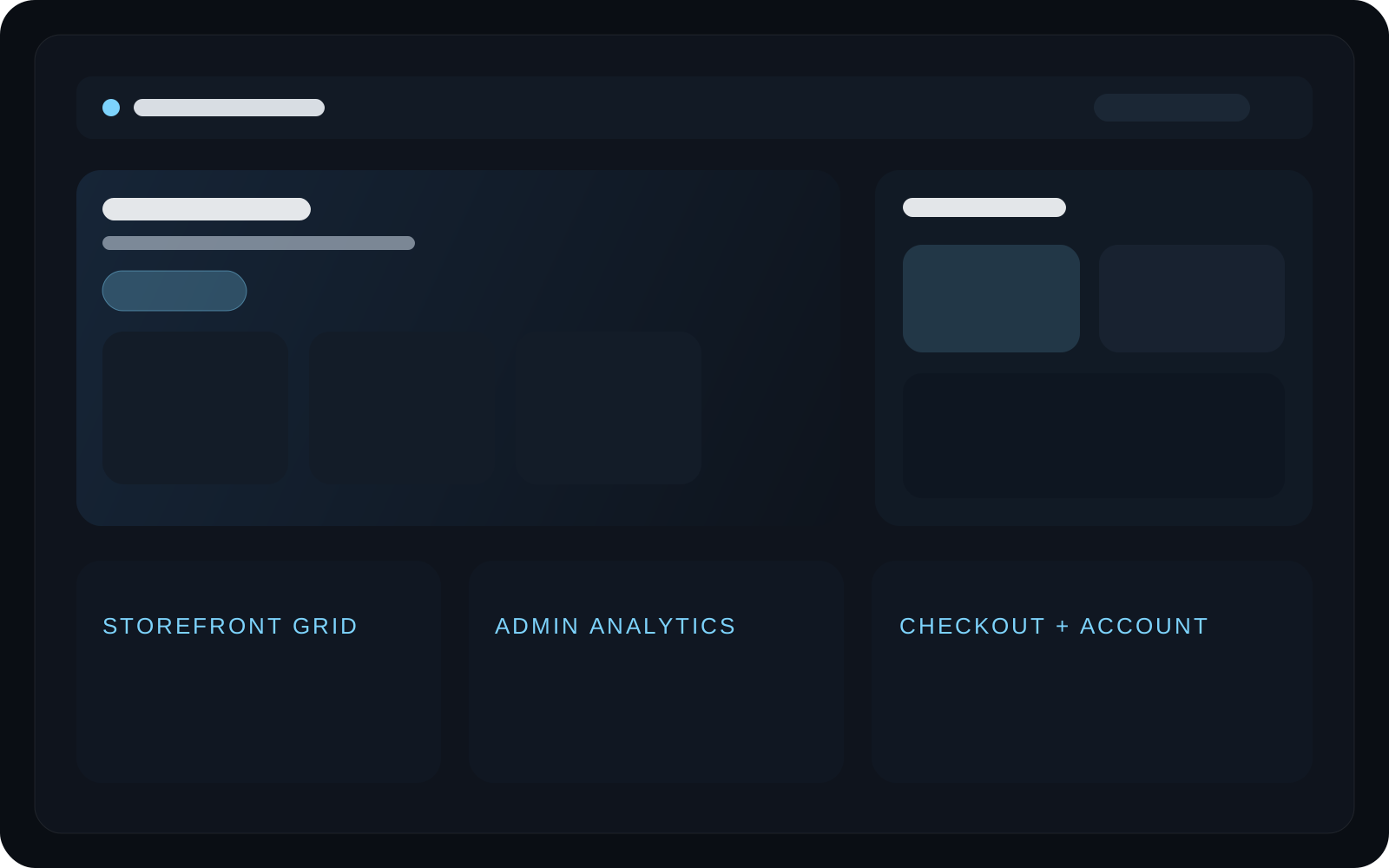
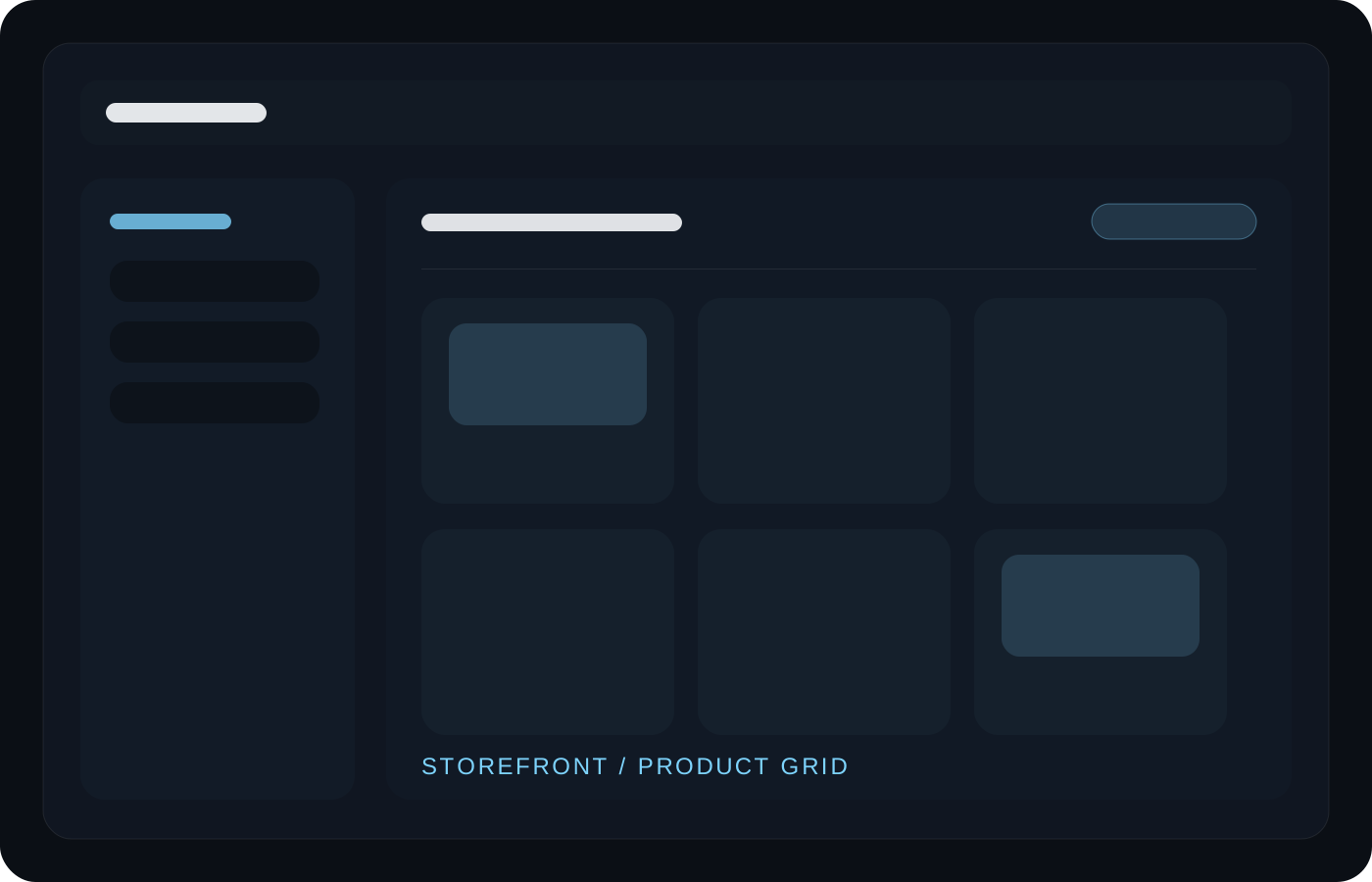
Product discovery and product detail views, cart, checkout, order success, and order history built as connected customer-facing flows.
Production-style ecommerce platform with a customer storefront and role-based admin dashboard covering product discovery, checkout, order lifecycle, and admin operations.
Built with reusable frontend architecture for product discovery, product detail, cart, checkout, order history, protected customer flows, protected admin flows, create and edit workflows, typed mock API integrations, and AI-oriented dashboard insight cards.
Commerce Scope
Discovery, checkout, order history, and admin operations in one frontend system
Implementation Depth
Forms, tables, charts, protected flows, and typed mock API integrations
Public Proof
Vercel live demo plus public GitHub repository for direct recruiter verification
Overview
The emphasis is on how the interface is structured, how the flows connect, and what the frontend decisions communicate about product readiness.
Smart Ecommerce Platform & Admin Dashboard mirrors the resume's ecommerce experience: product discovery, protected checkout, post-order visibility, admin workflows, and API-driven commerce interfaces.
The case study is grounded in implementation quality and proof links rather than inflated outcomes. It combines customer and admin flows, reusable components, typed mock APIs, and a public Vercel deployment backed by source code.
Project Snapshot
Role
Frontend Engineer
Format
Next.js Web App
Primary focus
Customer Storefront + Role-Based Admin Dashboard
Project Media
Each image is served from the public directory so stronger screenshots or recordings can be swapped in later without touching the layout system.
What I Built
Customer commerce journeys
Product discovery and product detail views, cart, checkout, order success, and order history built as connected customer-facing flows.
Protected customer and admin flows
Role-aware flow separation for customer and admin surfaces where authentication and operational access matter.
Admin create and update workflows
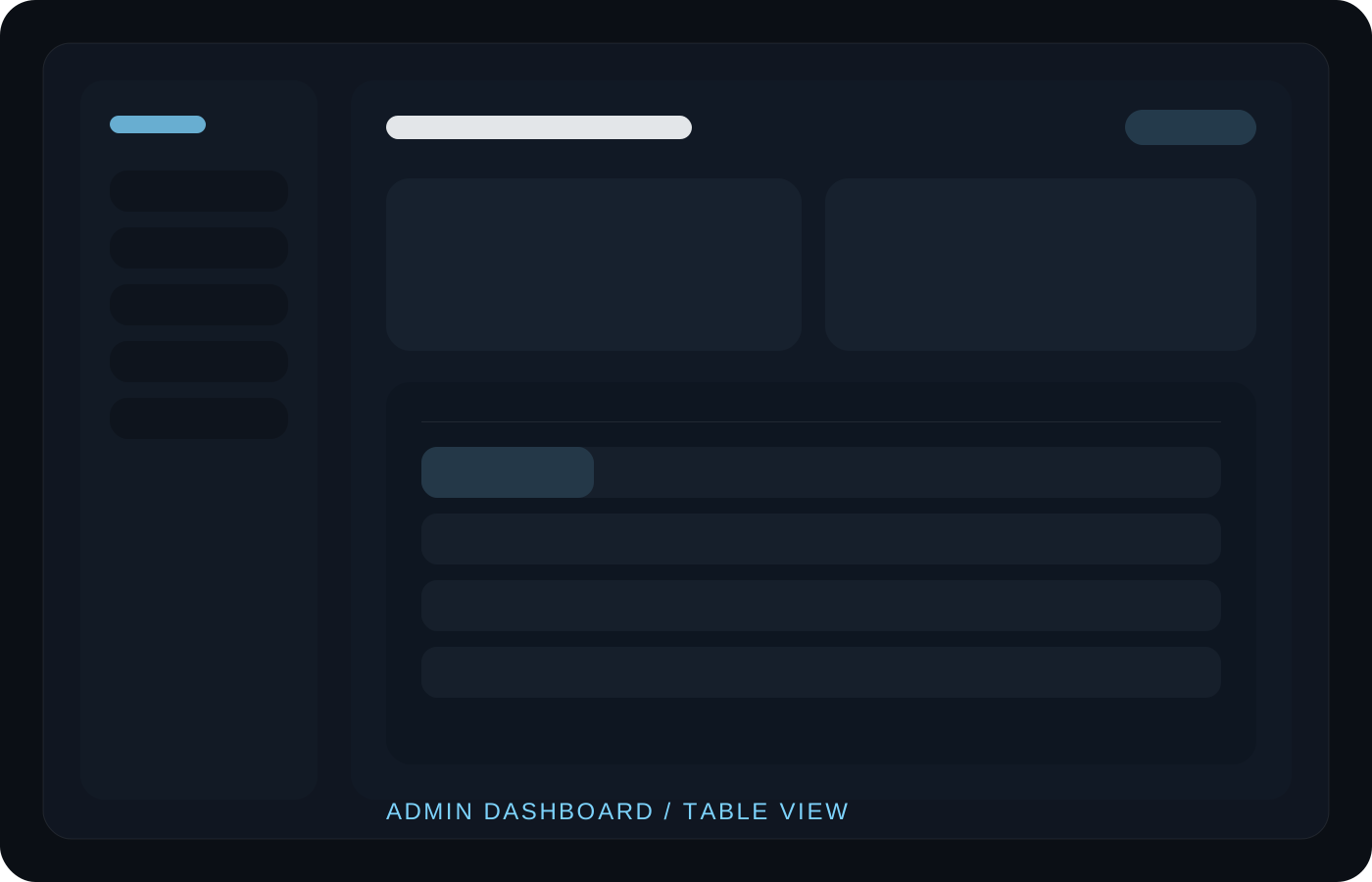
Admin product create and edit workflows, order detail views, status updates, and operational dashboard surfaces.
Typed integration scaffolding
Typed mock API integrations designed to support realistic async states, forms, and dashboard interactions during frontend delivery.
Key Product Flows
The strongest signal comes from how ecommerce and admin journeys connect through reusable UI and protected flows.
Highlight 1
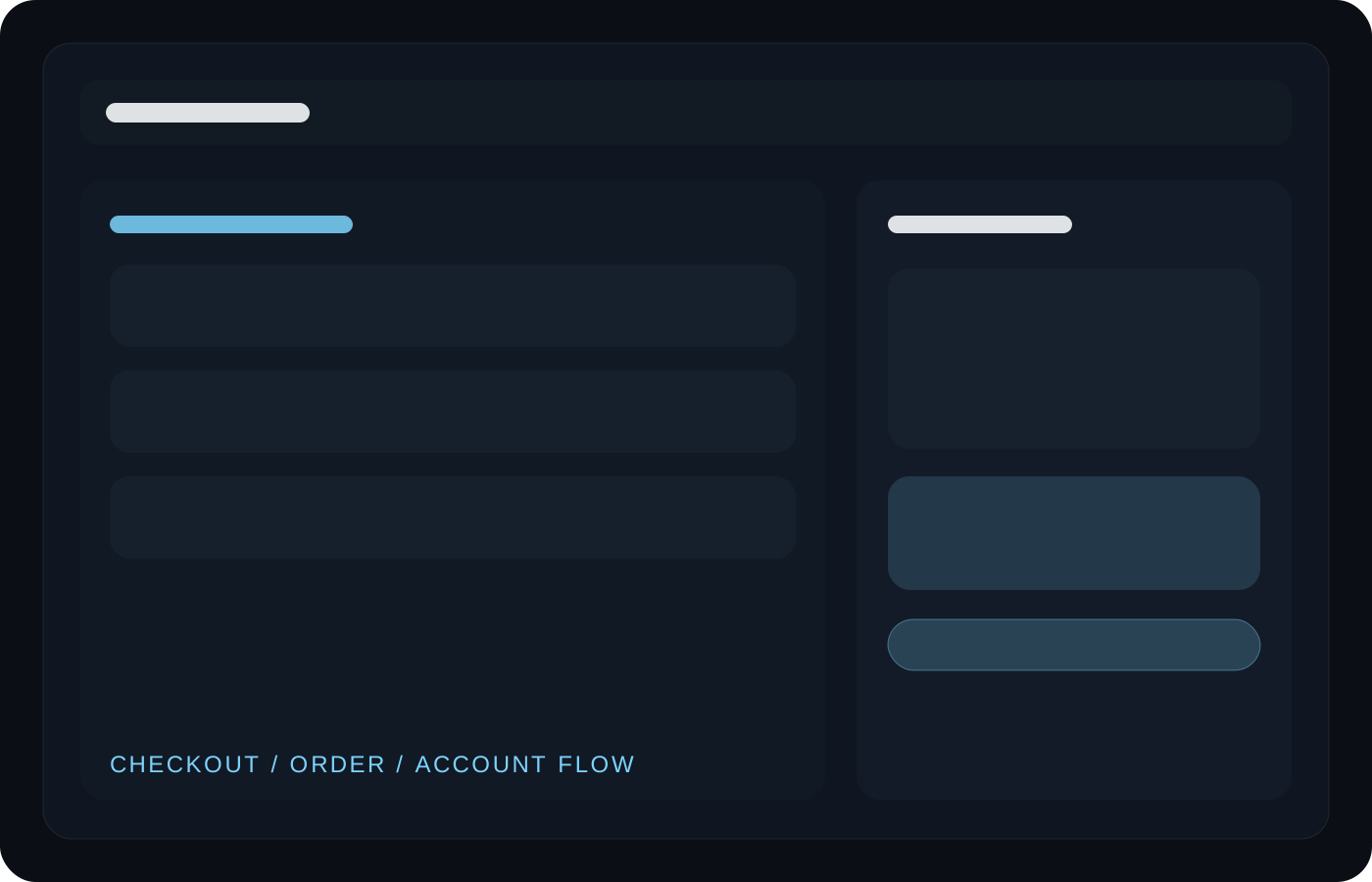
The storefront flow moves from product discovery and product detail into cart, checkout, and order success with clear continuity.
Highlight 2
Order history and order detail views extend the project beyond the conversion event into post-order frontend utility.
Highlight 3
Product create and edit workflows demonstrate reusable form patterns and structured data handling in admin surfaces.
Highlight 4
AI-powered dashboard cards and chart surfaces show how operational interfaces can stay informative without losing clarity.
Technical Highlights
A recruiter or hiring manager should be able to see the engineering depth quickly without reading a wall of text.
App Router and feature structure
The architecture separates storefront and admin concerns while keeping shared primitives reusable across the platform.
Form, table, and chart readiness
React Hook Form, Zod, TanStack Table, and Recharts support data-heavy admin work and structured customer flows.
Typed async workflow
TanStack Query and MSW support typed mock API integrations for loading, empty, success, and operational states.
Deployment proof
The Vercel-hosted build provides direct public proof for web-focused frontend engineering work.
Frontend Decisions
These decisions show the product and architectural thinking behind the implementation.
Decision 1
Customer and admin surfaces are treated as connected product areas rather than separate demos.
Decision 2
Customer and admin experiences both assume authentication-sensitive behavior rather than purely static page design.
Decision 3
Mock integration scaffolding makes it easier to design realistic frontend states before backend wiring is complete.
Decision 4
The project emphasizes real links, implementation scope, and frontend architecture instead of invented impact metrics.
Why It Matters
Value 1
It shows frontend depth across customer storefront and admin operations, not just landing-page work.
Value 2
It demonstrates reusable UI systems, protected flows, and typed integration patterns aligned with resume experience.
Value 3
It adds Vercel-hosted proof for roles centered on React, Next.js, TypeScript, and ecommerce delivery.
Links